
Navigating the financial landscape of Bosnia and Herzegovina reveals a compelling proposition for expats, remote workers, and budget-conscious travelers alike. While Western Europe faces rising inflation and skyrocketing rental prices, Bosnia’s primary cities continue to offer a remarkably high quality of life at a manageable price point.
However, treating the country as a monolith financially would be a mistake. The cost of daily existence varies subtly but significantly depending on whether you choose the mountain-ringed, bustling capital of Sarajevo, the sun-drenched Mediterranean corridors of Mostar, or the green, relaxed riverbanks of Banja Luka.
Real Estate and Utilities: Comparing the Housing Markets
Housing represents the largest portion of any monthly budget, and the three major cities show distinct real estate profiles.
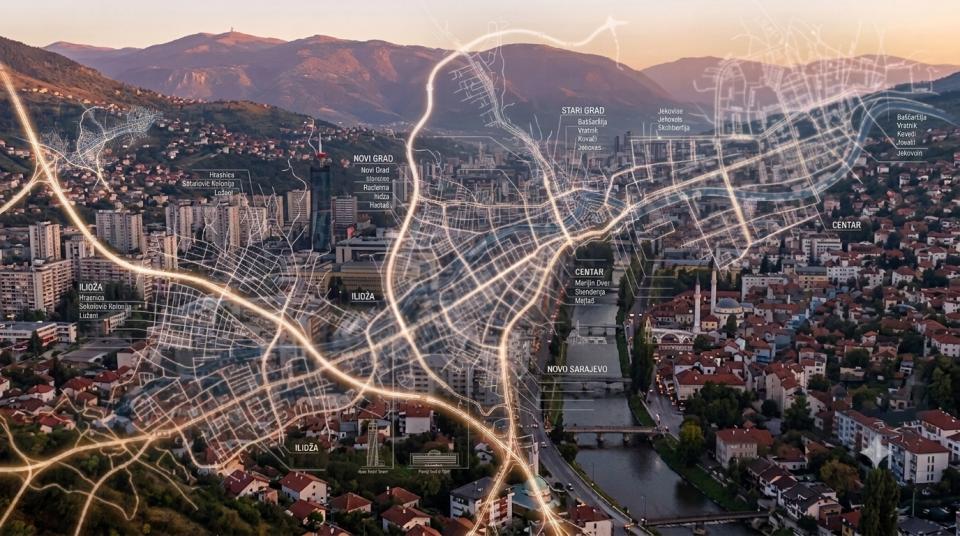
In Sarajevo, demand driven by diplomatic missions, international organizations, and remote workers keeps rental prices at the higher end for the national average. A modern, fully furnished one-bedroom apartment in central districts like Marijin Dvor, Skenderija, or near Wilson's Promenade ranges between €350 and €500 per month. Moving out to outer districts like Grbavica or Ilidža drops prices closer to €250–€350. Utilities in Sarajevo during winter months can surge due to communal heating costs (toplane) or gas bills needed to counter mountain valley freezes.
Beyond the baseline monthly rent, securing long-term accommodation in Sarajevo often involves navigating an informal market where personal connections and lease negotiation play major roles. Most digital nomads and expats opt for short-term platforms initially before transitioning to direct agreements with landlords, which can lower prices by up to twenty percent.
Utility costs in the capital also carry seasonal volatility that catches newcomers off guard. While summer electric and water bills remain negligible, winter heating charges in central apartments can easily add €100 to €150 per month to baseline expenditures, making energy efficiency a critical factor when evaluating housing options.
Banja Luka offers a slightly more accessible entry point without sacrificing urban comfort. Prime one-bedroom apartments in the city center typically cost between €300 and €450 per month, with fiber-optic internet and general utility packages remaining notably inexpensive compared to regional neighbors.
Mostar presents a unique dual market; long-term rentals in residential areas outside the historic core like Zgoni or Centar 2 cost between €250 and €400 per month, though seasonal tourism pressures can drive up prices in areas surrounding the Old Town during peak summer months.
The real estate dynamic in Banja Luka is stabilized by a steady supply of newly constructed apartment complexes along the Vrbas River corridor, which prevents sharp price spikes during peak seasons. Utilities here are predictable, with modern district heating systems offering reliable warmth without the severe financial spikes experienced in higher mountain elevations.
In Mostar, housing expenditures are inversely tied to the climate; while winter heating costs remain low due to mild Mediterranean weather, summer electricity bills frequently climb as air conditioning units run constantly to beat the intense Herzegovinian heat waves.
Dining, Leisure, and the Daily Basket
Beyond rent, everyday expenses in all three cities allow for a comfortable lifestyle on a moderate budget. Sarajevo’s dining scene is diverse, where a traditional portion of ćevapi in Baščaršija costs around €4 to €6, while a three-course dinner at a mid-range restaurant in Marijin Dvor averages €15 to €25 per person. Coffee culture is a non-negotiable expense nationwide; an espresso or traditional bosanska kafa in Sarajevo ranges from €1.00 to €2.00.
The social fabric of Sarajevo revolves around cafe seating and communal dining, meaning entertainment budgets stretch much further than in Western capitals. Grocery shopping in neighborhood markets or major chains provides access to fresh, domestically sourced staples at accessible prices. Importing specialized organic products or international ingredients incurs a premium, but relying on local dairy, meats, and seasonal produce keeps weekly market baskets well within reasonable limits for budget-minded residents.
In Banja Luka, daily food shopping at local hubs like the central Tržnica offers fresh, low-cost domestic produce, and dining out—whether enjoying regional specialties like Banjalučki ćevapi or local craft beer—is roughly 10% to 15% cheaper than in the capital. Mostar leans into its Herzegovinian roots, where Mediterranean produce, local wines, and olive oils feature heavily; fresh market prices are very reasonable, though cafes directly along the main tourist paths near Stari Most charge higher premiums compared to local neighborhood spots in Podhum or Brankovac. Across all three hubs, monthly grocery expenses for a single person generally average between €150 and €220.
Supermarket costs across Banja Luka reflect its proximity to agricultural regions, keeping basic items like bread, eggs, and fresh vegetables lower than in mountain-enclosed cities. Public transport and taxi services in Banja Luka and Mostar are exceptionally cheap, rarely exceeding a few euros for intra-city transit. Mostar benefits from an abundance of local Herzegovinian agriculture, making open-air markets an economical choice for fresh figs, pomegranates, and stone fruits. When factoring in fitness memberships, cultural events, and weekly socializing, an expat or remote worker can comfortably maintain a high quality of life across any of these three cities for a total monthly expenditure ranging between €800 and €1,300 depending on personal accommodation choices.
Category: Expat & Nomad / Cost of Living
Tags: Sarajevo, Mostar, Banja Luka, Cost of Living, Bosnia and Herzegovina, Expat Life, Real Estate, Balkan