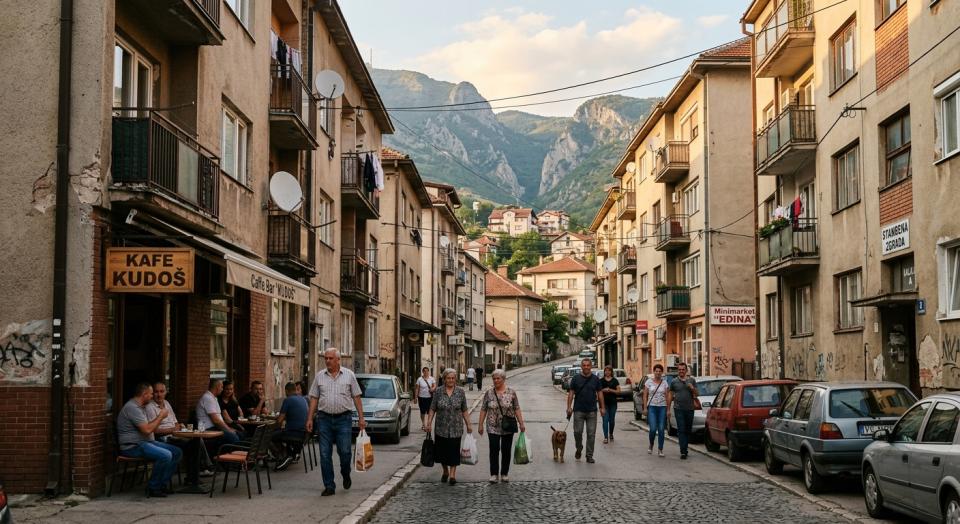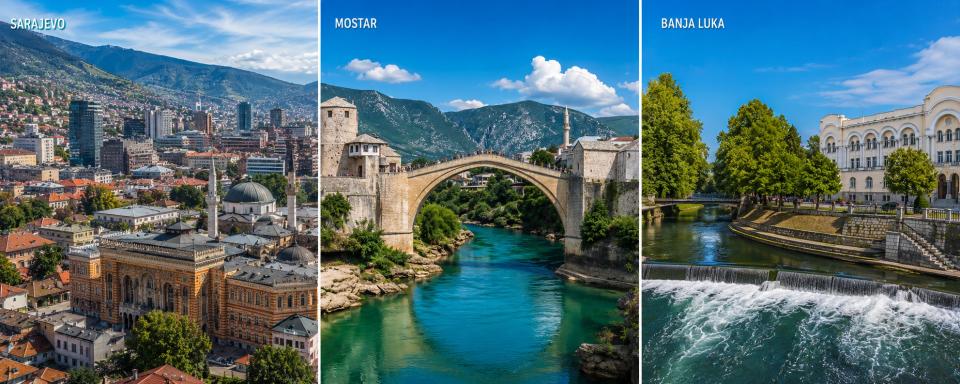

When people ask how much it costs to live in Sarajevo, they're usually hoping for a magic number that applies everywhere. The truth is messier and more interesting. A one-bedroom apartment in Baščaršija might cost you €450/month while the same apartment ten minutes away in a quieter neighborhood runs €280.
A cappuccino in the Ottoman bazaar costs 3 KM, but venture into a side street café and it's still 2.50 KM—a difference that matters when you're buying five of them a day. This isn't a travel guide fantasy. This is how it actually works.
Sarajevo has earned its reputation as one of Europe's cheapest capitals, but "cheap" is a relative term that depends entirely on where you are, what you're eating, and which neighborhood considers you a regular. The city attracts digital nomads, NGO workers, retirees stretching pensions, and expats simply tired of paying €1,200 for a studio apartment in Berlin. What they find is that affordability in Sarajevo isn't a trick—it's real. But it requires understanding how the city's different zones operate and where locals actually spend money versus where tourist-facing establishments charge a premium.
The data out there is often recycled from the same three websites, updated annually without much specificity. Real numbers from expat forums, long-term residents, and actual rental platforms tell a different story: one where timing, language, and neighborhood connections matter as much as the official price lists.
Housing: Where Your Money Actually Goes
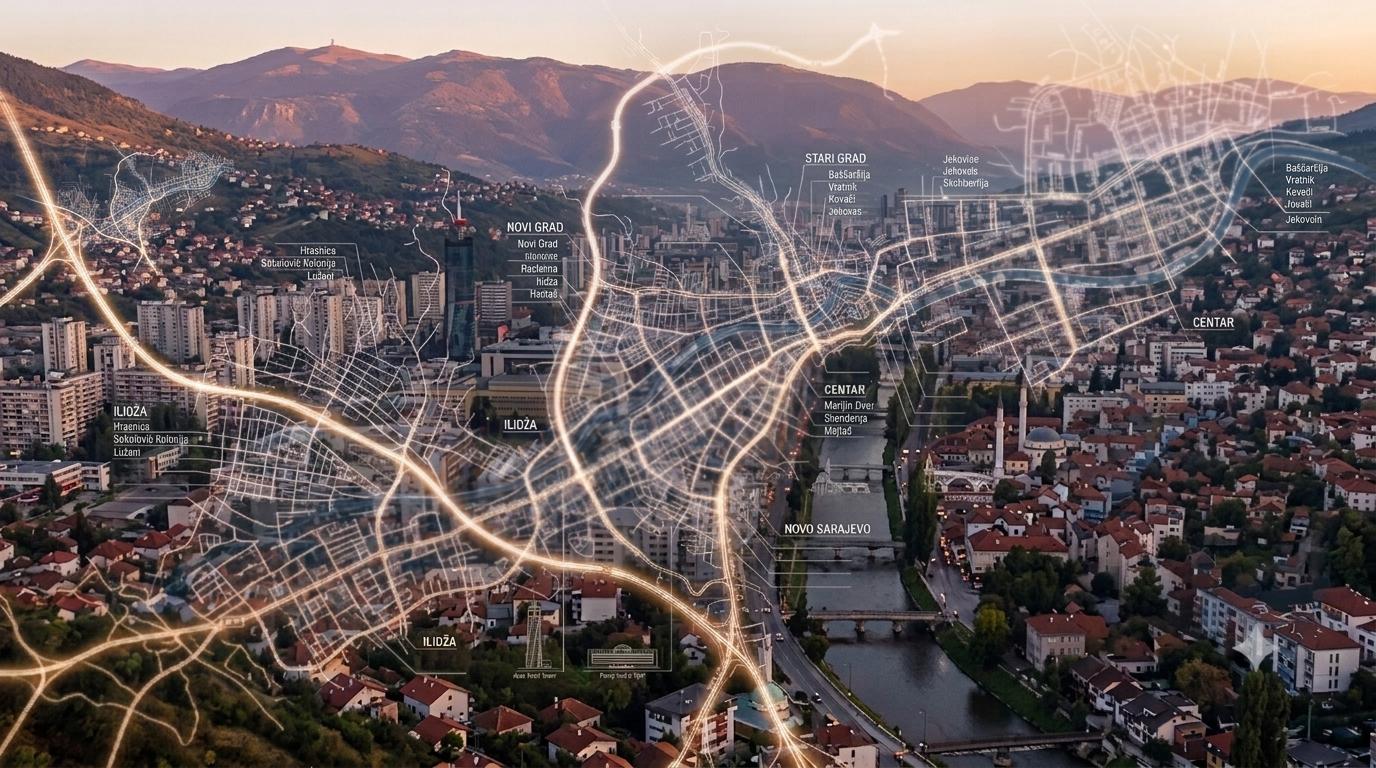
Rent is the anchor of any city budget, and in Sarajevo it's genuinely low compared to Western European capitals. A one-bedroom apartment in the city center—places like Marijin Dvor, Vijećnica, or the edges of Baščaršija—runs €300–€500/month furnished. Outside the center, in residential neighborhoods like Grbavica, Novo Sarajevo, or Ilidža, you're looking at €200–€350/month. This is the reality reported across multiple sources from residents actively paying these rents in 2026.
The furnished expat apartments that dominate rental platforms in desirable areas typically bundle utilities (electricity, water, heating) into the quoted price. That matters. A €450/month apartment often includes another €50–€100 worth of bills. If you're renting unfurnished—which locals do—you can save money, but you'll need to furnish it yourself and navigate relationships with landlords who may not speak English.
Luxury furnished apartments in Baščaršija or overlooking Vraca range €350–€500/month, and these tend to include utilities. The catch is availability. Many are booked months ahead by established expat communities and companies relocating workers. Real estate platforms like Olx.ba and local Facebook groups dedicated to housing have better inventory, but they require language skills or local contacts to navigate successfully.
Outside Sarajevo proper, in suburbs like Ilidža, you can find one-bedroom apartments for €180–€250/month, but you'll be commuting 20–30 minutes into the city. The math works if you're working remotely and rarely need to be downtown.
One critical note: local residents tell a story the averages don't. Property prices have risen sharply in recent years, especially in centrally located apartments. Used apartments sell for 4,000–4,500 KM per square meter in outer areas (roughly €2,000–€2,500 per sqm), but in prime zones this jumps to 6,000+ KM/sqm. These are ownership prices, not rentals, but they signal where money is flowing and why landlords are raising rents.
Parking remains one of the city's enduring frustrations—central locations offer virtually none, and dedicated parking spots rent for €30–€50/month if available.
Food and Groceries: Markets Versus Supermarkets
Groceries in Sarajevo are genuinely cheap if you shop strategically. A single person spending €150–€200/month on groceries is realistic if you're buying at local markets and supermarkets like Konzum or Fenu. Farmers markets, particularly the central marketplace on Markale, offer seasonal produce at 55–65% below what you'd pay in North American or Western European cities. Tomatoes, peppers, lettuce, potatoes all cost under €2/kg when in season.
Local staples anchor the food budget. A liter of milk costs around €1.23. A kilogram of bread runs €0.86. Chicken breast is €5.25/kg. These are prices from active 2026 market data, and they're stable. A dozen eggs cost €2.80. Local cheese is €7.17/kg. Wine from Herzegovina wineries—bottles you'd pay €15–€20 for abroad—costs €8.36 in local shops.
But context matters. Tourist-facing restaurants and cafés in Baščaršija or near major sites charge premium prices. A cappuccino in a tourist café is 3–4 KM (€1.50–€2), while the same coffee in a local neighborhood spot is 2–2.50 KM. The difference compounds if you're buying coffee five times a week. An inexpensive meal (ćevapi, burek, local lunch spot) costs around €8.29. A mid-range restaurant meal runs €15–€20 without alcohol.
The critical move is learning which markets locals actually use. Markale is the central marketplace, open daily, where locals buy daily staples and seasonal produce. There's also Dolac Market on the high ground overlooking the city center, which is less touristy and even cheaper. Supermarkets like Konzum, Fenu, and Bingo are everywhere and competitive on prices. Shopping at local markets cuts your food budget by 20–30% compared to supermarket-only shopping.
Dining out remains one of Sarajevo's great bargains. A full dinner with drinks at a decent restaurant rarely tops €15 per person. Traditional Bosnian restaurants serving pita, ćevapi, and grilled meats charge €5–€8 for a main. Beer (local, 0.5L) is €0.94 in shops, €2–€3 in bars. A cocktail runs €4.23. Wine by the glass is €2–€3. For expats accustomed to €12 cocktails and €18 pasta plates in Berlin or Amsterdam, this is genuinely revelatory.
The hidden cost: eating out frequently in Sarajevo is so cheap that some expats spend more on restaurants than they budgeted. A month of three restaurant meals per week can run €150–€200 easily, especially if you're in central areas or developing regular spots where staff know you and quality upgrades happen quietly.
Transportation and Utilities
Public transport is brutally affordable. A single one-way tram or bus ticket costs 1.80 BAM (€0.97). A monthly pass costs 27.59 USD or around 55 BAM (€29). The tram system is one of Europe's oldest and still functional, connecting most of the city center and spreading neighborhoods. Many expats never bother with a car, particularly if they live in walkable areas like Baščaršija or central Sarajevo.
Taxis are cheap but risky. Starting fare is 2.50 BAM (€1.35), then €0.91 per kilometer. Without a meter agreement or knowing the city, tourist visitors get overcharged routinely. Ride-hailing apps (Uber-style services) are emerging but not yet dominant. Many expats negotiate regular arrangements with specific taxi drivers for daily commutes.
Utilities for an 85-square-meter apartment average €170/month according to 2026 data, which includes electricity, heating (expensive in winter), cooling (summer air conditioning), water, and garbage. This is substantial and often the shock people don't anticipate. Winter heating bills can climb toward €200–€250/month if you're in an older building with poor insulation—common in Sarajevo's Soviet-era apartment blocks. Internet is the bright spot: fiber internet runs €20–€30/month and is genuinely fast (40+ Mbps standard).
Phone plans are cheap. A monthly mobile data plan costs €10–€15 with local providers (BH Telecom, m:tel, Eronet). Almost everyone has a plan; PAYG is rare for residents.
Water and sewer are included in utility bills and add roughly €10–€15/month to the total.
The Real Monthly Budget: Three Scenarios
Scenario 1: Budget Expat (€600–€750/month)
Studio apartment outside center: €220–€280
Groceries (cooking mostly): €120–€150
Transport: €30 (monthly pass)
Utilities: €100–€120
Dining out (2–3 times/week): €60–€80
Coffee/drinks casual: €20–€30
Entertainment/activities: €20–€30
Total: €570–€690
This is genuinely comfortable for someone remote working, not going out constantly, cooking at home, and living in a quieter neighborhood. It's how many digital nomads operate.
Scenario 2: Comfortable Single Expat (€900–€1,100/month)
One-bedroom apartment, center: €380–€450
Groceries (mixed cooking/eating out): €150–€180
Transport: €30
Utilities: €120–€150
Dining out (5–6 times/week): €150–€200
Coffee/casual drinks daily: €40–€60
Entertainment/gym/activities: €60–€80
Social events, concerts, etc.: €50–€80
Total: €880–€1,130
This is the target for many expats: living comfortably, eating out regularly, having an active social life, going to concerts and events, but not living lavishly.
Scenario 3: Comfortable Couple (€1,200–€1,500/month)
One-bedroom or two-bedroom apartment, center: €450–€550
Groceries (mixed): €200–€250
Transport: €50–€60 (two people)
Utilities: €150–€180
Dining out (8–10 times/week): €250–€350
Coffee/drinks: €60–€80
Entertainment/activities: €100–€150
Travel/miscellaneous: €100–€150
Total: €1,360–€1,720
For couples, the shared rent and utilities reduce per-person costs, but dining and entertainment tend to scale up.
The Honest Caveats
Sarajevo's cost of living is real, but several factors are shifting the picture. Rent has been climbing steadily, particularly for furnished apartments in the center. The 2026 data shows €50–€100 increases compared to 2024 prices in prime areas. Utilities are volatile—winter months (November–March) are brutally expensive due to heating requirements in a city surrounded by mountains and cold air. Summer cooling is minimal, so air conditioning bills don't spike like in southern European capitals.
Salaries in Sarajevo remain very low—the median after-tax salary is roughly €786/month according to 2026 data. This context is crucial: locals earning local salaries live very differently than expats earning foreign salaries. What's affordable for someone earning a Western European remote salary can represent serious financial strain for someone working locally. Some expats report that predatory pricing has emerged in tourist neighborhoods; prices vary wildly based on perceived foreignness, language, and whether you're a repeat customer.
Parking in central Sarajevo is genuinely hellish. If you rent an apartment without included parking, expect to pay €30–€50/month for street or lot parking in any central zone. Many locals simply don't park, accepting the chaos of finding street spots or using public transport.
The data aggregated across cost-of-living websites often obscures these variations. Numbeo's average apartment price of €800+/sqm for new construction tells nothing about what regular people pay for old, unfurnished apartments. The "family of four needs $1,988 excluding rent" figure from some sources reflects different spending patterns than actual expats report.
One more note: prices in Sarajevo often change based on whether you're perceived as a foreigner. This isn't unique to Sarajevo, but it's documented frequently. Speaking Bosnian, becoming a regular, and building local relationships typically results in better prices and more honest dealings.
Why Sarajevo, Why Now
The appeal isn't just financial. Sarajevo offers something increasingly rare in Europe: a city where authentic local life hasn't been entirely displaced by tourism, where you can live cheaply but also live well if you make deliberate choices. The coworking scene has grown (€150–€200/month for a desk), fiber internet is fast and reliable, and the expat community is welcoming without being insular. The mountains surrounding the city offer excellent hiking and skiing. The food is remarkable—heavily meat-focused, but made with care and tradition. The cultural scene (film festival, theater, art galleries, live music) is active and often affordable.
For digital nomads and remote workers, the equation works: your income in stable currency stretches significantly. For people relocating for work locally, the picture is tighter—local salaries don't align with the city's actual cost of living. For retirees, Sarajevo can be a genuine haven if they have a pension in strong currency.
The key is not treating Sarajevo as a commodity—cheaper than other places, therefore grab it. Treat it as a city with its own rhythm, neighborhoods with their own character, and a cost of living that rewards learning how locals actually live. That's when the numbers start making real sense.