Making the move to Bosnia and Herzegovina is more straightforward than most expats expect, but it requires understanding exactly which visa path works for your situation—and spoiler alert, there's no single "digital nomad" visa here yet.
Understanding Your Visa Options: The Practical Reality
Here's what people get wrong about relocating to Bosnia: they assume it's either completely open or bureaucratically impossible. The truth sits somewhere practical in the middle. Bosnia and Herzegovina doesn't have a dedicated digital nomad visa program like Portugal or Croatia, but it has something equally useful if you know how to navigate it.
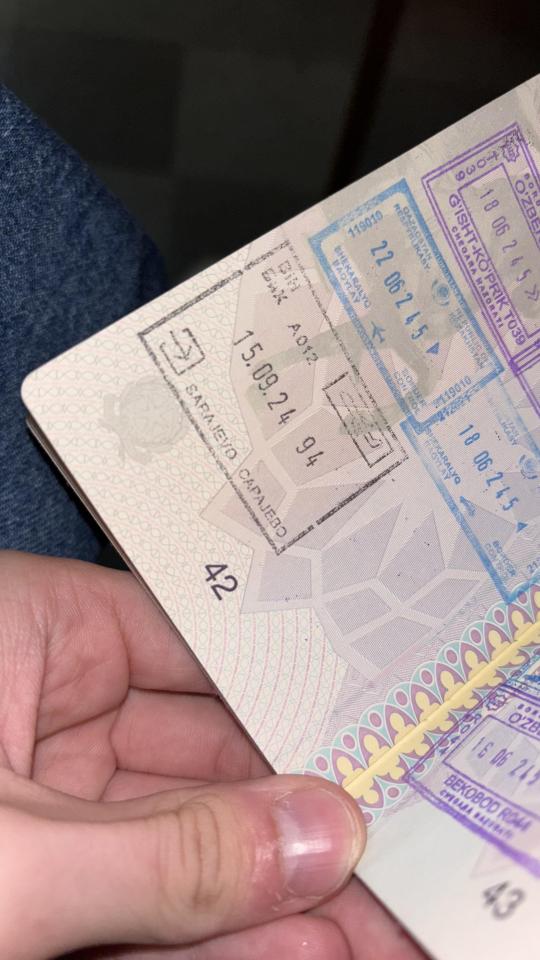
For most remote workers and expats staying under 90 days, the Schengen Agreement works in your favour. Technically, Bosnia isn't part of Schengen, but you get a 90-day residence permit on arrival just for showing up. Citizens of EU countries, USA, Canada, Australia, and most developed nations get this automatically. You'll go through border control, they'll stamp your passport, and you're good for three months. No paperwork required upfront. This is perfect for the trial period—come, work, see if Sarajevo is actually your speed.
But if you want to stay longer than 90 days, things require actual planning. This is where most expats get stuck because they assume they can just keep renewing tourist status. You can't. After your 90 days, you need legitimate residency.
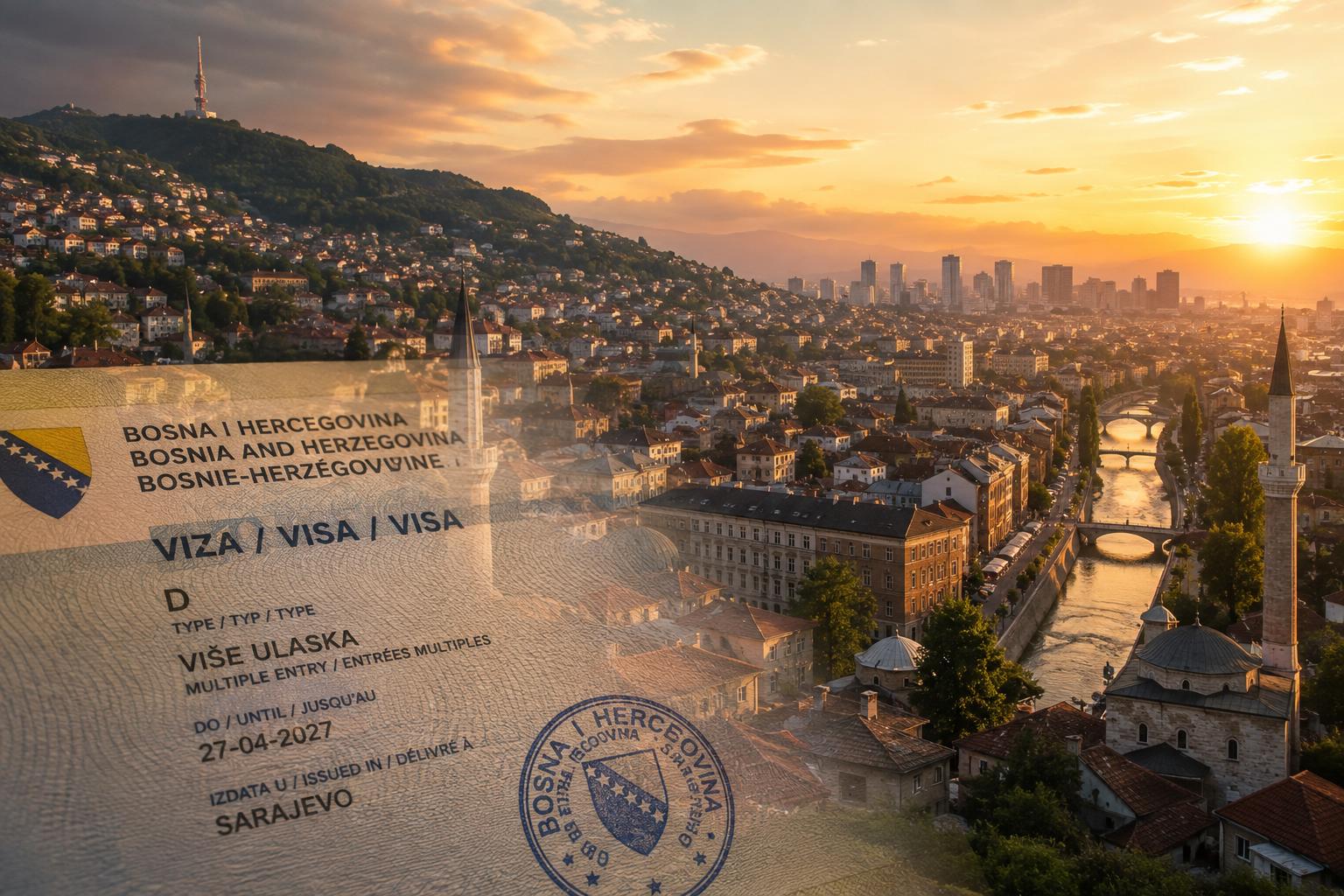
The most common path is registering as a freelancer or setting up as a registered business owner in Bosnia. This sounds more complicated than it actually is. Once you have that registration, you apply for a temporary residence permit through the Foreigners Office. The documentation they ask for includes your passport, proof of accommodation (a rental contract works), proof of income, and health insurance. The residence permit costs around 10-15 BAM (roughly 5-8 euros) and is valid for one year. You can renew it indefinitely.
Several expats living in Sarajevo have gone this route successfully. Marcus, a German software developer who moved here two years ago, described the process as "surprisingly smooth once you have someone who understands the local system." He registered as a freelancer, got his residence permit approved within three weeks, and hasn't looked back. The key difference for him was working with a local accountant from day one rather than trying to navigate forms alone.
The Path Most Expats Actually Take: Registration and Residency
Let's talk about what really happens when you decide to stay. First, you need to register your address with the local police within two days of arriving. This isn't dramatic—it just means going to your local police station with your landlord and paperwork proving you have accommodation. Many landlords handle this for you automatically. They issue you a registration certificate that costs nothing.
After that registration is done, you need to address the tax and legal status issue. Bosnia recognizes three ways to work legally: as a registered freelancer, as an employee of a local company, or as a business owner. For remote workers, freelancer registration is the path 95% of expats take.
The freelancer registration involves submitting an application to the Tax Administration office in your municipality. You'll need your passport, residence registration, proof of accommodation, a declaration of self-employment (which you write yourself), and proof of income from your clients. The whole process takes two to three weeks on average. The cost is minimal—roughly 15-30 BAM depending on your municipality. After registration, you're supposed to file a simple tax return showing your income, but the actual tax rate in Bosnia is competitive. Freelancers pay about 10% on declared income, plus health and pension contributions.
The part that makes Bosnia attractive compared to other Balkan destinations is that you don't need a massive income to qualify. There's no minimum threshold like some countries impose. If you're making 500 euros a month working for international clients, that's legitimate grounds for a residence permit. If you're making 5,000 euros, even better—but the paperwork is identical.
Health insurance is mandatory, but it's affordable. Once you're registered as a freelancer and resident, you contribute to the mandatory health system. For freelancers, this costs around 200-250 BAM monthly (roughly 100-130 euros) and covers comprehensive healthcare. This sounds like an add-on cost until you realize you're getting full medical coverage for less than a month's coworking membership in Western Europe.

Here's what the official Foreigners Office website doesn't mention but locals know: having a local contact or accountant who understands the system cuts your stress and timeline in half. You can absolutely do this yourself with patience and translation tools, but paying someone 200-300 euros for an accountant to handle registration, tax setup, and initial guidance usually pays for itself in saved time and fewer rejected applications.
The Timeline You Should Actually Budget For
From arrival to full legal residency, budget for 4-6 weeks realistically. Here's the actual timeline: Week one, you arrive and register your accommodation with police. Week two, you've got all your documents assembled and submit freelancer registration. Week three to four, you're waiting for approval from the Tax Administration. Week five, you apply for a temporary residence permit with your new freelancer registration. Week six, you have the permit in hand.
Most of this time is just waiting for government offices to process paperwork. The actual work you do—gathering documents, making visits—is spread across maybe five or six hours total. The real time killer is getting your documents translated into Bosnian if you don't have them in a Latin script. Use an official translator (not Google Translate)—you'll need the notarized version anyway.
During this waiting period, you can absolutely work. There's no enforcement stopping remote workers from working for international clients. What you're doing by completing this paperwork is legalizing what you're already doing and protecting yourself from any theoretical complications down the road.
The residence permit you receive is a small laminated card that you keep with your passport. It serves as proof that you have the right to be here and work. Once it's in your hand, you're genuinely settled. Renewal is straightforward—you just resubmit similar documentation annually, and it's usually approved quickly because you already have a history here.