
You stand in a dimly lit hallway in Novo Sarajevo, the smell of old tobacco and cabbage lingering in the air. The landlord, a man in his sixties who refuses to shake hands until he has seen your passport, points to a water stain on the ceiling and tells you it is actually a feature of the building's character. He does not have a written contract, but he has a firm handshake and a request for two months of rent in cash, upfront.
This is the standard introduction to the Sarajevo rental market for many expats. It is a system built on trust, informal agreements, and a complete disregard for the bureaucratic norms of Western Europe. While the city is modernizing, the way people lease property remains stubbornly rooted in the old way of doing things.
Finding a place without a middleman.
If you rely solely on international real estate portals, you will find the most expensive and least authentic options. The real market lives on OLX.ba, the local classifieds giant. Here, the listings are often sparse, featuring three blurry photos and a description that simply says "uredan stan" (tidy apartment).The trick to OLX is speed. The best apartments in Centar or near the Miljacka river vanish within hours. You cannot afford to email; you must call. If you do not speak Bosnian, having a local friend make that first call is the difference between getting a viewing and being ignored. Agencies exist, but they are often just intermediaries who take a one-time fee equivalent to one month's rent. In many cases, they do not actually manage the property. They find you the landlord, collect their fee, and disappear, leaving you to negotiate the nuances of the lease on your own.
The reality of the Bosnian rental contract.
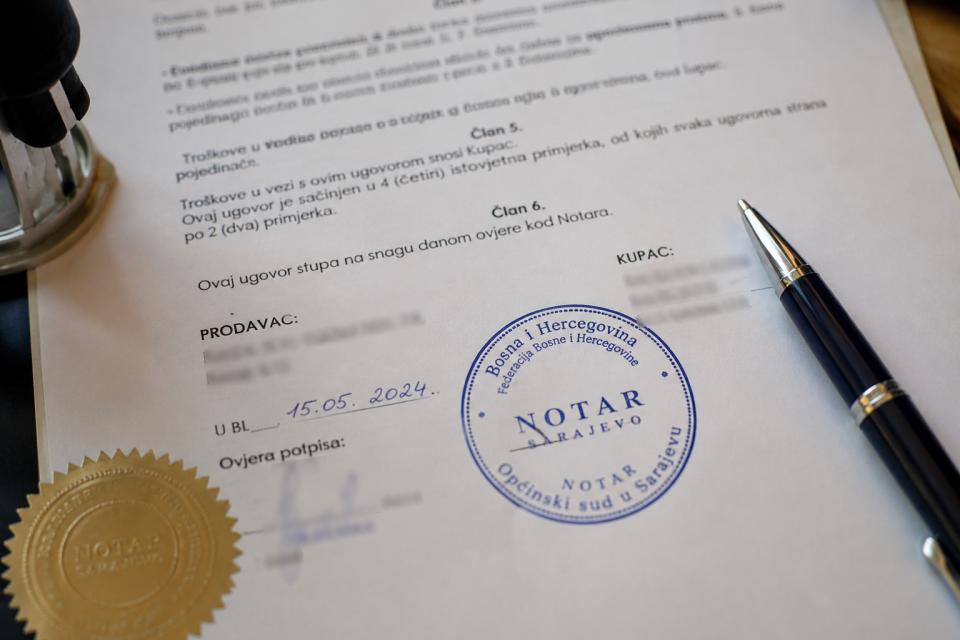
In many Western cities, a lease is a legal shield. In Sarajevo, it is often treated as a suggestion. Many landlords prefer informal agreements to avoid paying taxes on the rental income. They might offer you a "handshake deal" or a very basic one-page document that holds little weight in a formal court.
For an expat, this is a risk. Without a registered lease, getting your "bijeli karton" (white card) or residency permit becomes a headache. The white card is the police registration that proves where you are staying. If your landlord is hiding the rental from the tax office, they may be reluctant to report your presence to the police.
Always insist on a written agreement, even if it is simple. Ensure it clearly states the monthly rent, the date it is due, and the conditions for ending the lease. If the landlord refuses to sign anything, you are not just renting a room; you are entering a social contract where your only protection is the landlord's mood.
Money and the deposit dance.
The deposit is where most disputes happen. The standard is one month's rent, but some may ask for more if you have pets or are moving in with several people. The problem is not the payment, but the recovery.
When you move out, "normal wear and tear" is a subjective term. A scratch on the laminate floor or a smudge on the wall can suddenly become a reason to withhold a portion of your deposit. To prevent this, take a detailed video of the entire apartment the day you move in. Document every crack, leak, and missing tile. Send this video to the landlord via WhatsApp or email immediately so there is a timestamped record.
Utility bills in Bosnia are separate from the rent and can be volatile. Heating is the biggest variable. Apartments with "centralno grijanje" (central heating) are prized, but those relying on electric heaters or old wood stoves can see their electricity bills triple in January. Always ask to see a utility bill from the previous winter before signing.
Dealing with the landlord logic.
Renting in Sarajevo is as much about psychology as it is about money. The landlord is often not a professional property manager, but a pensioner or a family who owns a second apartment. They are not just looking for a tenant who pays on time; they are looking for someone who will not "disturb the neighbors."
Privacy is a looser concept here. Do not be surprised if a landlord drops by unannounced to "check the pipes" or bring you a plate of homemade pita. While this can be charming, it can also be intrusive. Setting boundaries early, politely but firmly, is essential.
If a conflict arises, avoid the legal route first. The Bosnian legal system is slow, and suing a landlord for a small deposit is rarely worth the time. A polite conversation over coffee, acknowledging the relationship and the trust involved, usually resolves issues faster than a lawyer's letter.