When the late afternoon sun dips behind the towering ridges of the Dinaric Alps, casting a rich amber light across the red-tiled roofs and historic minarets of the Sarajevo valley, the city experiences an electric metamorphosis. For eight intoxicating days every August, Bosnia and Herzegovina’s capital steps out of its unhurried mountain rhythms and transforms into the unquestioned focal point of international cinema in Southeastern Europe. The air grows thick with expectation, the aroma of dark roasted coffee gives way to chilled Herzegovinian wine, and a hum of voices in a dozen languages fills the grand Austro-Hungarian boulevards.
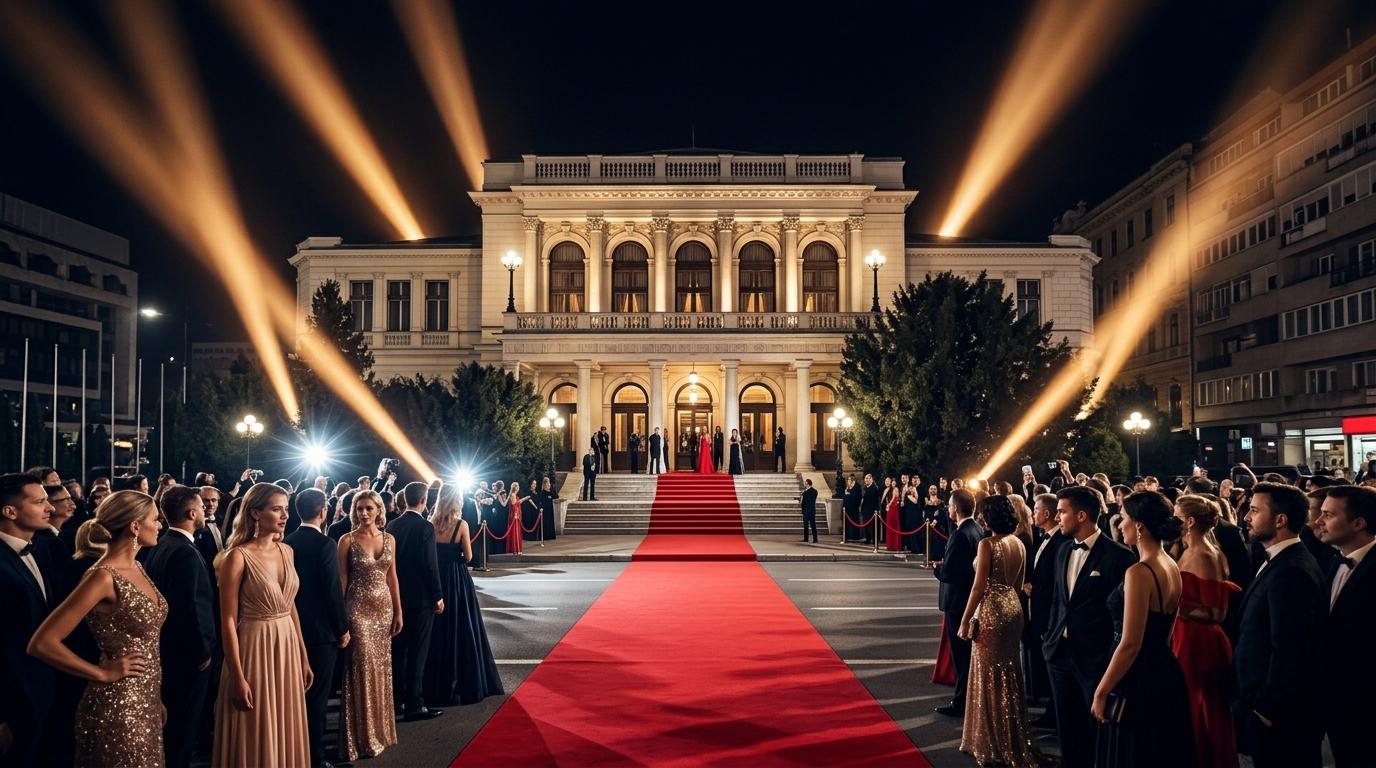
To walk down Titova Street or navigate the narrow, flagstoned alleyways of Baščaršija during festival week is to witness a rare blend of high-fashion glamour and deeply rooted local soul. Oscar winners, Hollywood red-carpet icons, independent directors, and young film students sit side by side at outdoor cafes, engaged in unhurried conversations about art, humanity, and screenwriting. There are no impenetrable VIP barriers here, nor the icy detachment often felt at Cannes or Venice; instead, Sarajevo offers a warm, democratic embrace where cinematic art belongs fully to the city that birthed it.
 A Triumph of Cinema: Over Two Hundred Stories Under the Balkan Stars
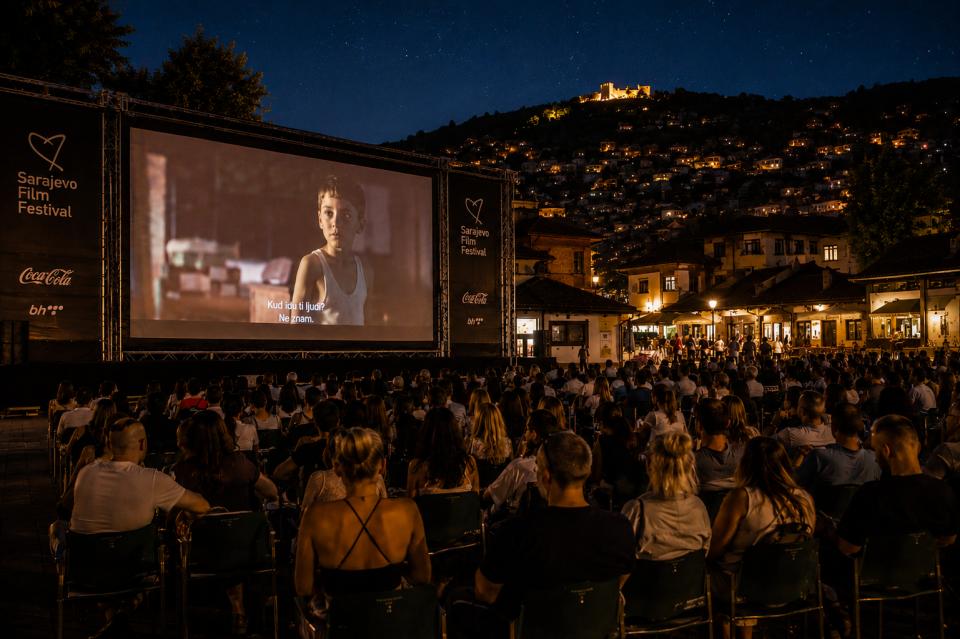
The 32nd edition of the Sarajevo Film Festival once again shattered expectations, affirming its status as a titan of global film culture. The numbers alone tell a staggering story: over 200 films spanning feature-length narratives, hard-hitting documentaries, and bold avant-garde shorts were screened across multiple open-air venues and historic theaters. The flagship arena, the Coca-Cola Open Air Cinema—a colossal outdoor theater set against the backdrop of surrounding residential hillsides—hosted thousands of cinephiles each night under the clear night sky. Watching a world premiere with the cool mountain air rolling off Trebević is a visceral, communal experience that conventional indoor multiplexes simply cannot replicate.
This year's star-studded guest list brought immense international spotlight to the region. Honorary Heart of Sarajevo awards were presented to global cinematic figures including Hollywood actors Woody Harrelson and Emily Watson, visionary auteur Asghar Farhadi, and actor Diego Luna, all of whom spent days engaging with local audiences and conducting masterclasses for emerging talent. In a moment of deep local pride, the Honorary Heart of Sarajevo was also bestowed upon Emir Hadžihafizbegović, honoring his legendary contributions to Balkan cinema.
When the jury convened at the historic National Theatre to announce the official competition winners, the top prize—the coveted Heart of Sarajevo for Best Feature Film—was awarded to Sandra Wollner’s haunting drama Everytime. Directorial honors went to Ana Urushadze for Supporting Role, while the acting accolades were claimed by Eva Kostić (Best Actress for 17) and Adrian Văncică (Best Actor for You Don't Belong Here). The festival reached a triumphant crescendo with a specially restored screening of Danis Tanović’s 2001 Academy Award-winning masterpiece No Man’s Land, drawing a direct line between Bosnia’s extraordinary cinematic legacy and its bright artistic future.
Born Under Fire: The Unbroken Spirit of 1995
To truly comprehend why the Sarajevo Film Festival carries a profound emotional gravity that sets it apart from any other cultural gathering on earth, one must look back to its inception. In the summer of 1995, while the city was trapped in the longest siege in modern warfare, a small group of visionary artists and cultural workers led by Mirsad "Miro" Purivatra refused to let violence extinguish the human spirit. In dark, unheated basements, powered by improvised generators and protected by sandbags, they organized the very first Sarajevo Film Festival.
Citizens risked their lives dodging sniper fire and artillery shells just to sit in crowded underground rooms and watch imported 35mm film prints. It was not an act of escapism, but a fierce assertion of dignity, civilization, and intellectual freedom. Cinema was their declaration to the world that Sarajevo was alive, creative, and unbowed. That founding ethos remains the sacred core of the festival today. Even as the event expanded into a multi-million-euro industry engine, it never lost its moral compass or its commitment to championing human rights, political courage, and artistic integrity through the lens of a camera.

CineLink and Nightlife: Where the Global Industry Meets the Midnight Street
Beyond the glitz of the red carpet, the Sarajevo Film Festival serves as the powerhouse economic engine for regional filmmaking through its prestigious industry arm, CineLink Industry Days. Every year, hundreds of international producers, sales agents, film fund executives, and distributors converge on the city to scout fresh talent from Southeast Europe, the Caucasus, and the MENA region. Millions of euros in co-production deals are struck in the courtyard lounges of the Hotel Europe, turning raw scripts from young directors into major international co-productions that eventually screen at Sundance, Berlin, and Toronto.
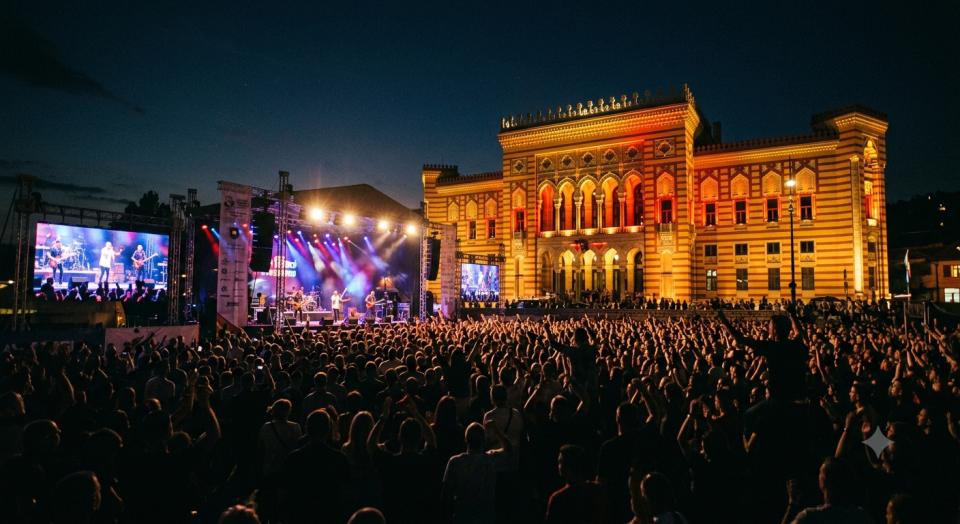
Yet when the sun sets and the final credits roll, the business of film effortlessly gives way to the legendary Sarajevo nightlife. City noise ordinances are temporarily lifted, allowing central pedestrian zones to pulse with live jazz bands, electronic music sets, and pop-up cocktail bars until the break of dawn. Traditional taverns and modern specialty coffee shops stay open around the clock, serving piping hot plates of grilled specialty dishes alongside endless rounds of rich Bosnian coffee. For digital nomads, visiting expats, and locals alike, festival week provides an unforgettable glimpse of a capital operating at the absolute zenith of its passion, beauty, and creative power.