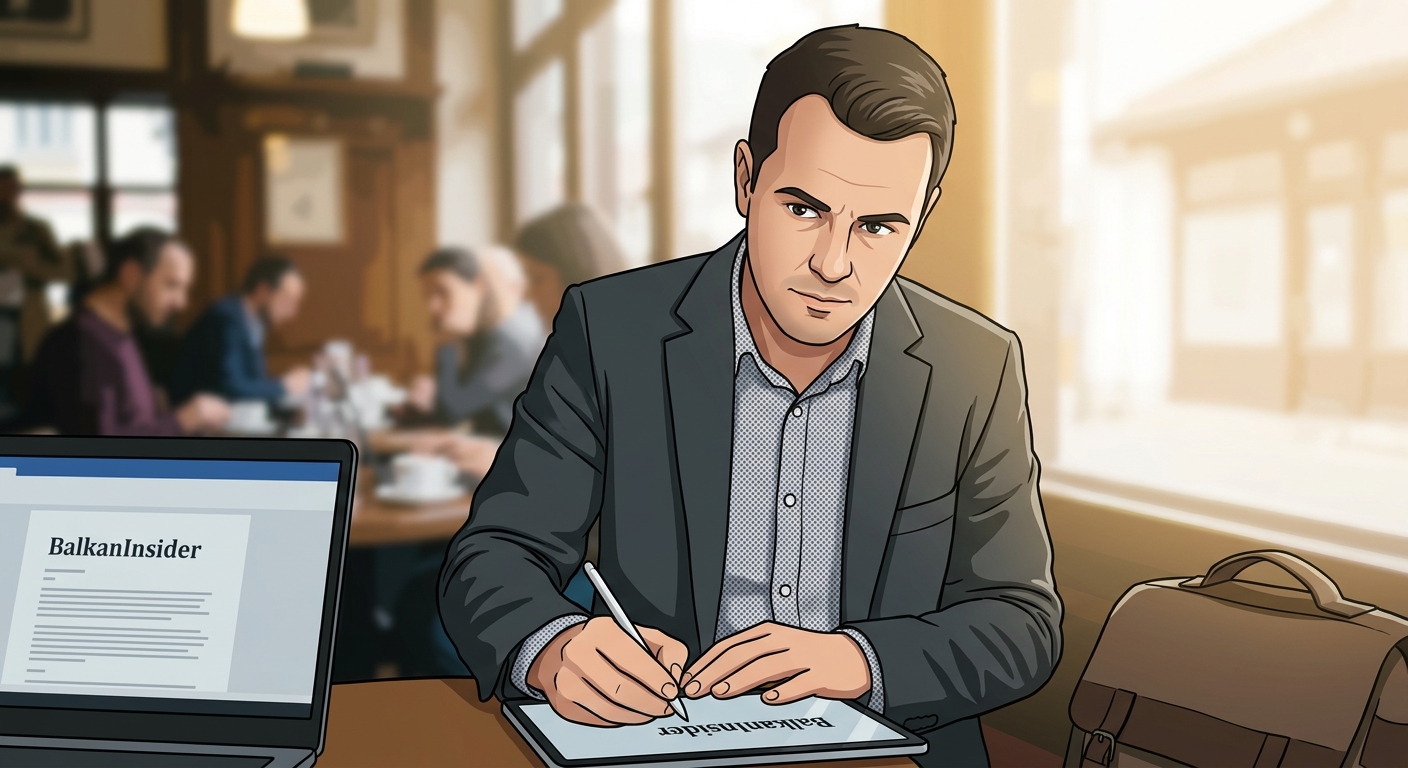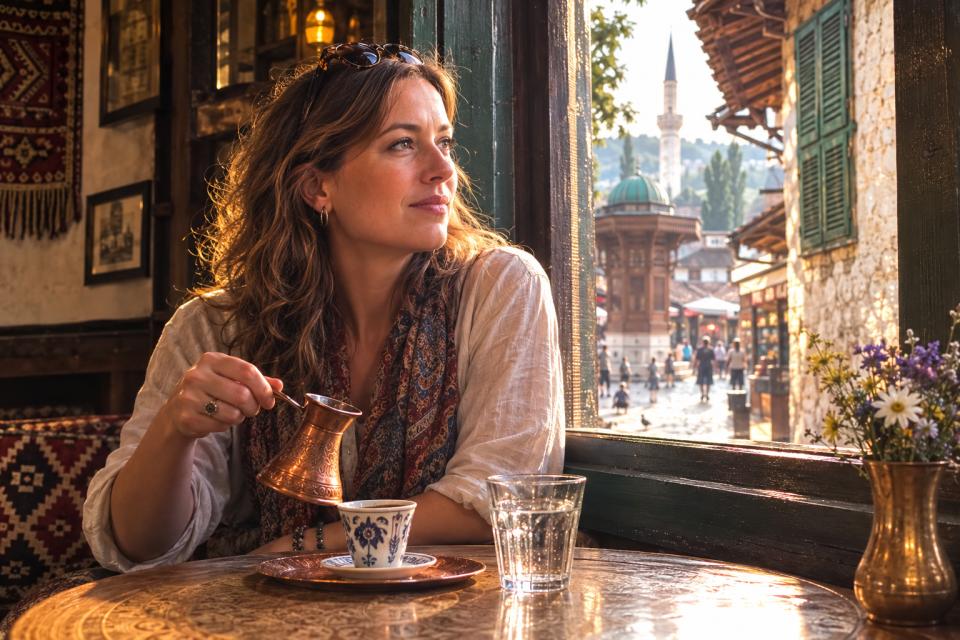
When documentary filmmaker Mark Henderson packed his camera gear and left a high-pressure lifestyle in Seattle five years ago, he originally set out on a six-month creative sabbatical across Southern Europe. His itinerary included the predictable coastal stops along the Adriatic, but a chance detour inland across the border into Southern Herzegovina permanently altered his trajectory. Arriving in Trebinje on a mid-autumn afternoon when the sun was casting a warm golden glow over the Trebišnjica River and the surrounding limestone peaks, he realized he had stumbled upon a corner of the Balkans where time moves at a noticeably more human pace.
What was meant to be a weekend visit to photograph the historic Arslanagić Bridge evolved into a complete lifestyle transformation. Mark represents a growing wave of remote creatives and digital nomads who are looking beyond the congested, expensive European hubs to build meaningful lives in smaller regional centers. In Trebinje, he found a rare combination of Mediterranean climate, exceptional affordability, rich gastronomic heritage, and an openness among the local community that made settling down surprisingly effortless.
The decision to transition from a transient nomad to a long-term resident in Southern Herzegovina was anchored in the simple daily rhythms of the town. Rather than navigating endless freeway traffic or back-to-back corporate meetings, Mark now structures his production workflow around morning walks through the centuries-old plane tree shade of Trg Slobode, sourcing fresh figs, wild honey, and goat cheese directly from local producers.
Navigating Relocation and Restoring Karst Architecture
The practical process of relocating to Bosnia and Herzegovina required patience and a willingness to understand local administrative nuances, but Mark found the legal framework for foreign residents manageable with proper guidance. After navigating his initial temporary stay through a freelance business registration, he focused his energy on purchasing and restoring an old stone house in the quiet residential periphery of Trebinje. Navigating property title deeds and working alongside local craftsmen taught him as much about Herzegovinian culture as any travel guide ever could.
Restoring traditional stone architecture in the region requires a deep respect for heritage and materials that have withstood centuries of Mediterranean sun and winter winds. Local stonemasons helped him preserve the original thick exterior walls while updating the interior with energy-efficient insulation and high-speed fiber-optic internet necessary for his video editing studio. The cost of real estate and total restoration work came in at a fraction of what a modest studio apartment would demand in North America or Western Europe, offering him complete financial independence and creative freedom.
Living in Trebinje also provided an ideal geographic base for professional travel and leisure. Situated just twenty kilometers from the Adriatic coastline and within easy driving distance of Dubrovnik and Kotor, the town serves as a quiet inland sanctuary away from coastal cruise ship crowds while keeping international transport links easily accessible.
Cultivating Community, Local Wine, and the Art of Connection
Building a social circle in a smaller Herzegovinian town proved to be one of the most rewarding aspects of the transition. The local culture is built on face-to-face interaction, shared meals, and prolonged conversations over espresso or local wines like Vranac and Žilavka. Mark quickly integrated into the local creative scene, collaborating with regional cultural organizations to mentor aspiring young videographers and document the traditional winemaking practices of the Tvvrdoš and Popovo Polje regions.
He often highlights how the absence of Western consumer pressure allows residents to focus on quality of life and genuine interpersonal relationships.
Neighborhood dynamics are defined by mutual support, where sharing seasonal produce, assisting with home repairs, and gathering in courtyard garden spaces are regular occurrences rather than rare exceptions. For Mark, living in Trebinje is not an escape from reality, but a deliberate return to a balanced, grounded way of life.
Looking back on his journey, Mark notes that moving to Herzegovina taught him to measure success by time autonomy and personal peace rather than traditional career markers. His story serves as a compelling blueprint for location-independent professionals seeking an authentic, affordable, and culturally rich home base in the Western Balkans.